Solar Cell Interconnect Peel Strength Requirements Guide
Solar cell interconnect peel strength is a critical quality parameter in photovoltaic (PV) manufacturing because it determines the strength of the solder joint between the interconnect ribbon and the solar cell busbar. Consistent peel strength improves electrical performance, manufacturing efficiency, and the long-term reliability of solar modules.
As manufacturers adopt advanced cell technologies such as PERC, TOPCon, and HJT, maintaining reliable solder joints has become more important than ever. Weak bonds can lead to ribbon lifting, higher electrical resistance, hotspots, and premature module failure.
In this guide, you’ll learn what solar cell interconnect peel strength is, why it matters, the factors that affect it, common testing methods, and best practices for achieving reliable solder joints in modern PV manufacturing.
Key Takeaway: Solar cell interconnect peel strength measures the mechanical strength of the solder joint between the interconnect ribbon and the solar cell busbar. Consistent peel strength improves electrical performance, reduces manufacturing defects, and enhances long-term photovoltaic module reliability.
What Is Solar Cell Interconnect Peel Strength?
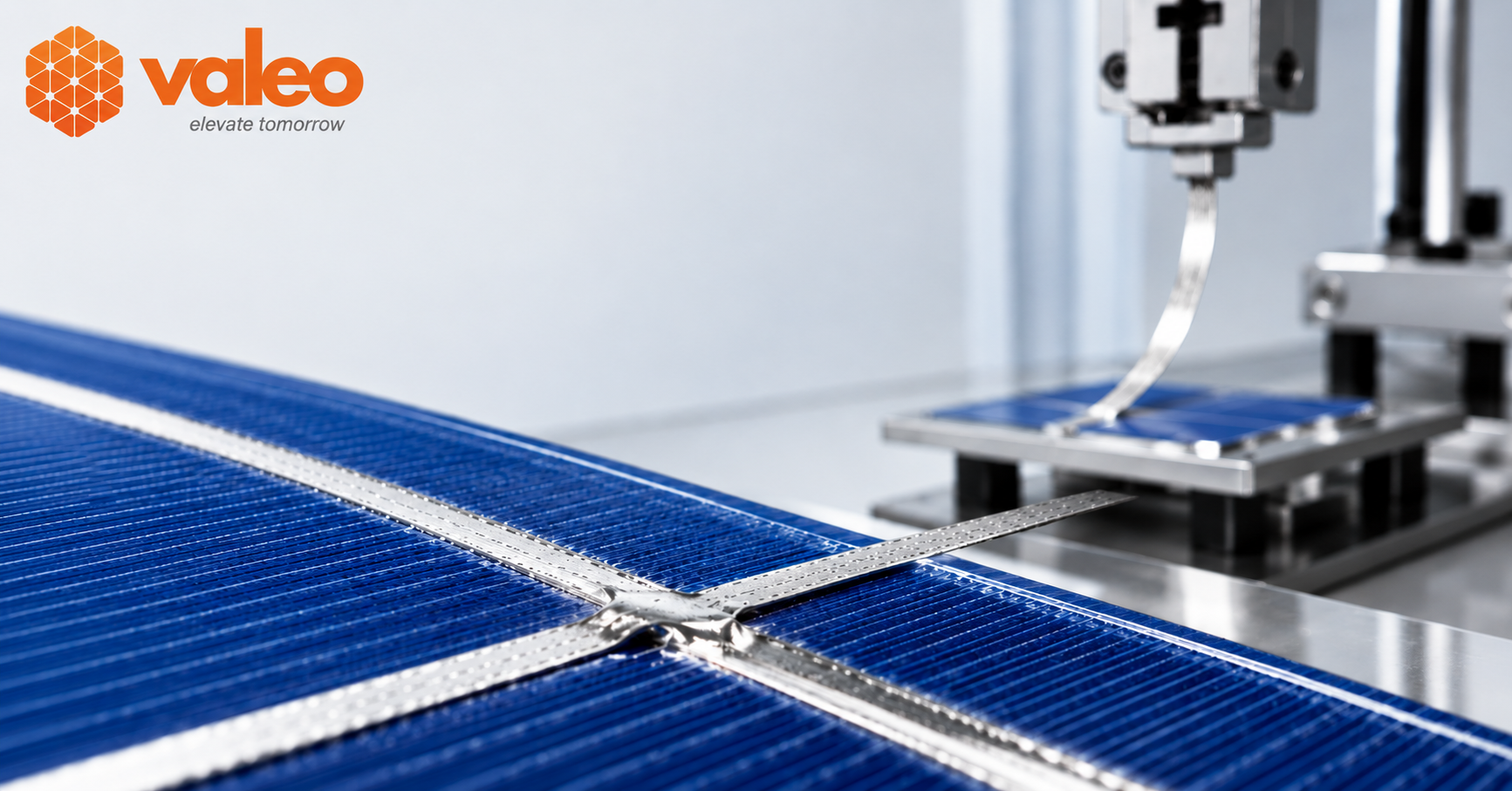
Solar cell interconnect peel strength is the force required to detach a soldered interconnect ribbon from a solar cell busbar. It is one of the most widely used quality control tests in photovoltaic manufacturing because it verifies the mechanical integrity and reliability of solder joints.
During module assembly, tinned copper interconnect ribbons are soldered onto the front and rear busbars of solar cells. These ribbons create the electrical pathway that transfers current from one cell to the next. If the solder bond is too weak, the electrical connection may deteriorate under thermal and mechanical stress, reducing module efficiency over time.
A properly formed solder joint provides several benefits:
Stable electrical conductivity
Low contact resistance
Strong mechanical bonding
Improved thermal cycling resistance
Long-term module reliability
Better production consistency
Why Solar Cell Interconnect Peel Strength Matters
Although peel strength testing is a straightforward quality control procedure, it directly influences photovoltaic module durability, manufacturing efficiency, and long-term power generation.
Solar modules operate in harsh outdoor environments for decades, where they are continuously exposed to:
Daily temperature fluctuations
UV radiation
Wind and snow loads
Humidity
Transportation vibration
Mechanical stress during installation
External Resources: International Energy Agency (IEA)
Benefits of Maintaining Consistent Peel Strength
Benefit | Manufacturing Impact |
Reliable electrical conductivity | Reduces energy loss and improves power output |
Lower contact resistance | Enhances module efficiency |
Improved thermal cycling performance | Increases long-term durability |
Strong mechanical bonding | Prevents ribbon lifting and solder failures |
Stable production quality | Reduces scrap rates and improves manufacturing yield |
Factors That Affect Solar Cell Interconnect Peel Strength
Achieving reliable solder joints requires multiple manufacturing variables to work together. Even minor process variations can significantly influence peel strength.
Interconnect Ribbon Quality
The quality of the tinned copper interconnect ribbon is a key factor in achieving consistent manufacturing quality and reliable electrical connections.
High-quality ribbons offer:
- High-purity copper
- Uniform tin coating
- Tight dimensional tolerances
- Excellent flatness
- Consistent coating quality
Premium interconnect ribbons help maintain consistency in automated production processes by reducing variations in ribbon dimensions and coating quality. Choosing a precision-engineered ribbon provides a reliable foundation for manufacturing high-performance solar modules.
Related Reading: How Solar Panels Are Connected Using PV Ribbon and Interconnect Wire
Solder Alloy Composition
The solder coating must bond effectively with the solar cell busbar while minimizing thermal stress.
Modern TOPCon and HJT cells often require specialized solder alloys that:
Improve wetting performance
Reduce processing temperatures
Increase mechanical flexibility
Maintain long-term reliability
Surface Cleanliness
Even premium materials cannot produce reliable solder joints if contaminants are present.
Common contaminants include:
Dust
Oil
Moisture
Oxidation
Flux residue
Handling contamination
Clean production environments improve solder wetting and significantly reduce peel strength variation.
Soldering Temperature
Soldering temperature is an important process parameter during solar module manufacturing.
If the temperature is too low:
- Incomplete joining may occur
- Process consistency can be affected
- Electrical connections may become inconsistent
If the temperature is too high:
- Sensitive solar cell components may be exposed to excessive heat
- Material properties can be affected
- Unnecessary thermal exposure may impact manufacturing quality
Carefully controlled soldering profiles help manufacturers maintain consistent production quality while supporting the requirements of advanced solar cell technologies, including HJT modules.
Heating Time
Heat exposure must be carefully controlled.
Short heating cycles may leave incomplete solder bonds, while excessive heating can damage busbars and weaken metallization.
Modern automated production lines precisely regulate heating duration to achieve repeatable solder joint quality.
Flux Performance
Flux removes surface oxides and improves solder wetting between the interconnect ribbon and the busbar.
A high-quality flux helps:
Improve solder flow
Remove oxidation
Reduce void formation
Produce cleaner solder joints
Increase bond consistency
Choosing a flux compatible with the solder alloy and cell technology plays an important role in maintaining consistent solar cell interconnect peel strength.
How Is Solar Cell Interconnect Peel Strength Tested?
Solar cell interconnect peel strength testing ensures solder joints meet quality standards before PV modules move to the next production stage. While testing methods may vary, the process generally includes these steps:

Step 1: Solder the Interconnect Ribbon
The interconnect ribbon is soldered to the solar cell busbar using standard production parameters.
Step 2: Cool the Solder Joint
Allow the solder joint to cool completely before testing to ensure accurate peel strength measurements.
Step 3: Perform the Peel Test
A calibrated peel tester removes the ribbon from the busbar at a controlled speed and angle while measuring the force required to separate the solder joint.
Step 4: Evaluate the Results
Quality engineers inspect:
- Peel force
- Failure location
- Ribbon deformation
- Busbar condition
- Solder residue
- Fracture characteristics
Common Failure Modes
When solar cell interconnect peel strength falls below acceptable levels, manufacturers may encounter several reliability issues:
Ribbon lifting, causing partial electrical disconnection.
Higher electrical resistance, reducing module efficiency.
Hotspot formation, accelerating material degradation.
Microcracks, caused by localized mechanical stress.
Premature module failure, leading to warranty claims, maintenance costs, and lower customer confidence.
Best Practices to Improve Solar Cell Interconnect Peel Strength
Consistent solar cell interconnect peel strength depends on quality materials, optimized soldering, and regular quality control. Following these best practices helps improve solder joint reliability, reduce defects, and increase PV module performance.
1. Use High-Quality Interconnect Ribbons
High-quality interconnect ribbons contribute to consistent manufacturing quality and reliable electrical connections. Choose ribbons with high-purity copper, a uniform tin coating, tight dimensional tolerances, and excellent flatness to support consistent processing and maintain quality throughout solar module production.
2. Optimize the Soldering Process
Control soldering temperature, heating time, cooling rate, and conveyor speed to achieve strong solder joints. A stable soldering profile reduces thermal stress and improves electrical and mechanical performance.
3. Keep Surfaces Clean
Dust, moisture, oxidation, oil, and flux residue can weaken solder bonds. Maintaining a clean production environment ensures consistent solar cell interconnect peel strength and reduces manufacturing defects.
4. Perform Regular Peel Strength Testing
Test peel strength throughout production instead of only during final inspection. Routine testing helps identify coating variations, equipment drift, and process issues before they affect module quality.
5. Use Statistical Process Control (SPC)
Monitor peel strength data with SPC to detect process variations early. This improves production consistency, reduces rejection rates, and helps maintain reliable solar module quality.
Looking to Improve Your PV Manufacturing Process?
If inconsistent solder joints, ribbon lifting, or production rejects are affecting your manufacturing efficiency, our technical team can help you select the right interconnect ribbon specifications for your application.
Contact Valeo Products today to discuss your production requirements, request a technical consultation, or explore interconnect ribbon solutions designed for reliable, high-performance photovoltaic manufacturing.
Conclusion
Solar cell interconnect peel strength is a critical indicator of solder joint quality and long-term photovoltaic module reliability. Consistent peel strength improves electrical conductivity, reduces the risk of ribbon lifting, hotspots, and premature module failure, while supporting stable manufacturing performance.
Achieving reliable peel strength requires high-quality interconnect ribbons, optimized soldering parameters, clean production conditions, and continuous quality monitoring throughout the manufacturing process. These practices help increase production yields, reduce rework, and ensure consistent module quality.
For manufacturers producing advanced PERC, TOPCon, and HJT solar modules, choosing the right interconnect materials is equally important. Valeo Products delivers precision-engineered interconnect ribbon solutions designed to improve solder joint consistency, enhance manufacturing efficiency, and support long-term PV module performance.
FAQs
Solar cell interconnect peel strength is the force required to separate a soldered interconnect ribbon from a solar cell busbar. It is used to evaluate the quality and durability of solder joints in photovoltaic manufacturing.
Consistent peel strength ensures reliable electrical connections, reduces contact resistance, prevents hotspots, improves thermal cycling performance, and increases the overall lifespan of photovoltaic modules.
Manufacturers use calibrated peel testing equipment to remove a soldered ribbon from the solar cell busbar at a controlled angle and speed while measuring the force required to separate the joint.
The most important factors include interconnect ribbon quality, solder alloy composition, soldering temperature, heating time, flux performance, surface cleanliness, and overall process control.
Yes. Weak solder joints increase electrical resistance, create hotspots, reduce energy output, and may eventually lead to premature module failure and higher maintenance costs.
Modern PERC, TOPCon, and HJT solar cells all require carefully controlled peel strength because of their thinner wafers, finer busbars, and tighter manufacturing tolerances.
Manufacturers can improve consistency by using premium interconnect ribbons, optimizing soldering profiles, maintaining clean production environments, performing routine peel strength testing, calibrating equipment regularly, and monitoring Statistical Process Control (SPC).
High-quality interconnect ribbons provide uniform tin coating, excellent solderability, high electrical conductivity, and tight dimensional tolerances, helping manufacturers achieve consistent solder joints, improved production yields, and long-term photovoltaic module reliability.